
The psychological effects of gambling Understanding the mind behind the wager Pin Up
The Allure of Gambling
The excitement of gambling often captivates individuals, drawing them into an exhilarating world of chance and possibility. The thrill associated with wagering taps into deep psychological triggers that can evoke a mix of emotions, including joy, anxiety, and euphoria. This intoxicating blend compels players to chase wins, which can sometimes lead to reckless behavior. The mind craves the next high, much like an addiction, where each bet places one’s psychological state on the line for the chance of success. You can explore more details at https://p1n-up.ca/.
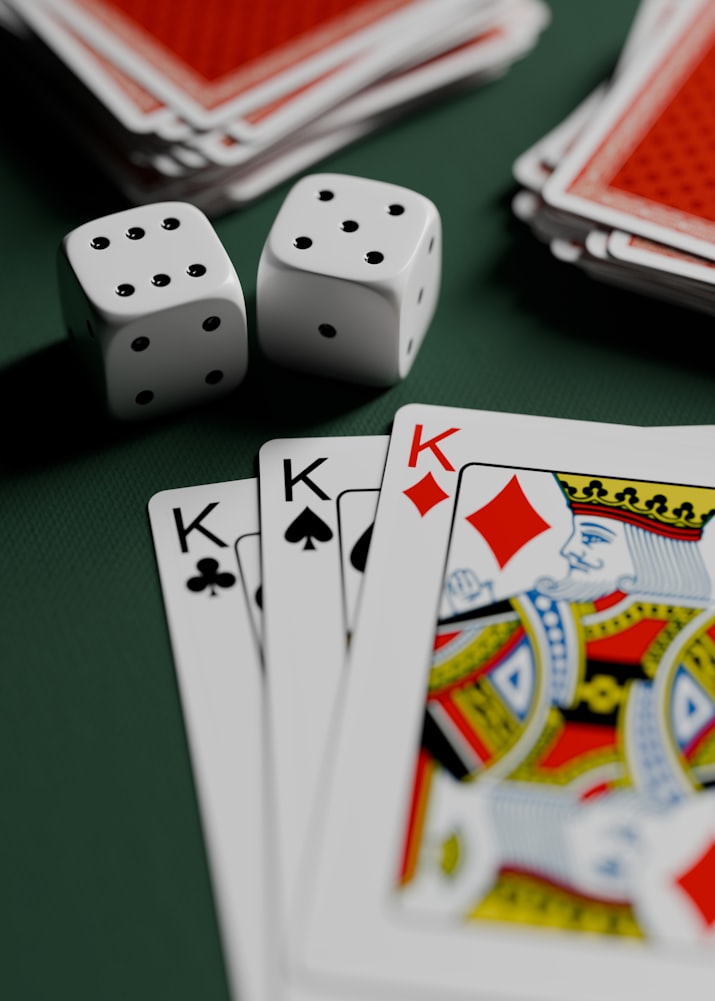
This allure is often fueled by the environments in which gambling takes place. Bright lights, sounds of spinning wheels, and the presence of other excited players amplify the emotional stakes. Casinos, both physical and online, craft experiences designed to engage players fully, making it difficult to resist the temptation to participate. In platforms like Pin Up, the immersive experience is further enhanced with enticing visuals and a variety of games, creating a perfect storm for psychological engagement.
Moreover, the cognitive biases players often exhibit can further deepen their involvement. Many gamblers fall prey to the illusion of control, where they believe their decisions can influence outcomes, despite the inherently random nature of most games. This false sense of agency can perpetuate a cycle of gambling, as players rationalize losses and continue to engage in betting behaviors, convinced that luck is on their side.
The Psychological Impact of Winning and Losing
The psychological effects of gambling extend beyond just the thrill of playing; they also encompass the emotional rollercoaster associated with wins and losses. Winning can provide a temporary boost in self-esteem and mood, creating a powerful reinforcement that encourages repeat behavior. The momentary joy of a jackpot can overshadow the potential long-term consequences of habitual gambling. This temporary high can be addicting, leading individuals to chase after that elusive win.
Conversely, the emotional toll of losses can be profound. Losing streaks can lead to feelings of despair, anxiety, and even depression. Gamblers may experience a sense of helplessness and frustration, driving them to chase losses in hopes of recovery. This cycle of chasing losses can create a vicious cycle where gambling becomes a compulsive behavior, further entrenching individuals in a psychological struggle.
Research has shown that the brain’s reward centers respond significantly to both winning and losing in gambling scenarios. This neurochemical response can make losing experiences feel especially intense, often outweighing the joy of winning. Understanding this aspect of gambling psychology can help individuals grasp how powerful these experiences can be, possibly leading them to seek assistance if their gambling habits begin to spiral out of control.
The Role of Personality and Motivation
Personality traits play a crucial role in an individual’s propensity to gamble. Certain traits, such as sensation-seeking and impulsivity, can predispose individuals to engage more deeply in gambling activities. These traits can cause individuals to take risks that they might otherwise avoid, leading them to seek the thrill of uncertainty that gambling provides. Understanding one’s personality can be key in recognizing whether gambling is a healthy form of entertainment or a potentially harmful activity.
Motivation behind gambling can vary significantly from person to person. For some, it may be purely recreational, while for others, it may stem from a desire to escape everyday stressors. This escapism can become a psychological crutch, leading to habitual gambling as a way to cope with life’s challenges. Recognizing these motivations is essential for individuals to assess their relationship with gambling and understand its psychological effects.
Celebrity gamblers often serve as public examples of the diverse motivations behind gambling. They may gamble for entertainment, to relieve boredom, or to enjoy social interactions. However, their experiences often highlight the fine line between responsible gambling and destructive habits, reinforcing the need for awareness and caution. By examining these high-profile stories, regular gamblers can gain insights into the potential consequences and psychological impacts of their choices, especially within platforms like Pin Up Canada.
The Cycle of Addiction
Gambling addiction, often referred to as compulsive gambling, is a serious psychological condition that can devastate individuals and their families. The cycle begins innocently enough, often with casual play, but can escalate into a compulsive need to gamble. Individuals may find themselves unable to control their urges, leading them to prioritize gambling over important aspects of life, such as relationships and financial stability. Understanding this cycle is critical for identifying when gambling shifts from a recreational activity to a dangerous addiction.
The psychological underpinnings of gambling addiction are complex. Many individuals suffering from this condition may also struggle with co-occurring mental health disorders, such as anxiety or depression. These dual challenges can create a formidable barrier to recovery, as individuals may rely on gambling as a means of coping. Therapeutic interventions, support groups, and lifestyle changes can all play pivotal roles in breaking this cycle and fostering healthier coping mechanisms.
It is essential for gamblers to recognize the signs of addiction early on. These may include increasing time spent gambling, neglecting responsibilities, and lying about gambling activities. Awareness of these signs can empower individuals to seek help before the situation escalates further. Organizations and programs dedicated to supporting gambling addiction recovery provide resources for those in need, emphasizing that help is available and recovery is possible.
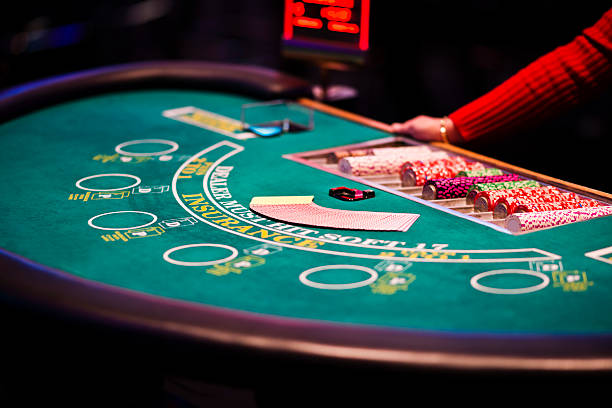
Pin Up Casino: A Balanced Approach
Pin Up Casino understands the complexities surrounding gambling and aims to create a responsible and engaging environment for players. The platform offers a wide variety of games, catering to different preferences while also promoting responsible gaming practices. By incorporating features like deposit limits and self-exclusion options, Pin Up encourages players to enjoy their experiences without falling into the traps of compulsive behavior.
The casino’s design focuses on creating a user-friendly interface that minimizes the overwhelming nature of online gambling. The combination of exciting games, generous bonuses, and a supportive community fosters a healthy gaming environment. Pin Up Canada also prioritizes educating players about the psychological effects of gambling and offers resources for those who may be struggling with addiction, showcasing its commitment to player welfare.
In summary, while the allure of gambling can be enticing, understanding its psychological effects is essential for maintaining a healthy relationship with wagering. Pin Up exemplifies a balanced approach, allowing players to experience the thrill of gaming while emphasizing responsible habits. By recognizing the mind behind the wager, individuals can navigate the gambling landscape more safely and enjoyably.